PURE PATH WATER SYSTEMS ~ SAFEWAY WATER TECHNOLOGIES ~ SURGERY WATER ~ FIX ANY WATER


What Health Inspectors Look for in Water Systems (And What They Don’t Tell You)

If you live here on the Treasure Coast, you may have seen the recent advisory from the Florida Department of Health about high bacteria levels at Fort Pierce Inlet State Park. Most people read that and think one thing. “Okay… don’t go swimming.” And then they move on. But let me ask you something. What if that warning is telling you more than just “stay out of the water”? What if it’s actually a sign of what’s happening to the water all around us… including the water you use every day at home? 🌊 So What’s the Big Deal With This Advisory? The issue is that they found something called Enterococcus bacteria . That’s a fancy word, but here’s what it really means. It’s a bacteria that comes from waste. Human waste. Animal waste. Runoff. Septic issues. Things you definitely don’t want in your water. When levels get too high, they put out an advisory because it can make people sick. So yes, you shouldn’t swim in it. But here’s the part most people don’t think about. That bacteria didn’t just magically appear. It had to come from somewhere. 🧭 How Does This Even Happen? Around places like Fort Pierce and Port St. Lucie, we have a few common culprits. Heavy rain can wash contaminants into waterways. Boats are illegally dumping. Older septic systems can leak. Stormwater drains carry everything from streets straight into canals and rivers. And once it’s in the water, it moves. Pretty easily, actually. 💧 Here’s Where It Gets Closer to Home This is the part that matters to you. Florida sits on top of a very unique water system. The Floridan Aquifer. Think of it like a giant underground sponge. Now here’s the catch. That sponge isn’t sealed off. Our soil is sandy. Our ground is porous. Water moves through it fast. So when contamination shows up in surface water, it tells us something important. There are pathways. Open ones. And those pathways don’t just stop at the inlet. 🚰 “But I’m on City Water… I’m Fine, Right?” Maybe. City water is treated. That’s a good thing. It’s disinfected to kill bacteria like this. But treatment plants are working harder than ever. More contaminants in the source water mean more stress on the system. And no system is perfect. You’re still dealing with: Aging infrastructure Chemical treatment limits Possible byproducts from disinfection So yes, city water is treated. But that doesn’t always mean it’s ideal. 🚨 If You’re on a Well, Pay Attention If you have a private well, this matters even more. There’s no treatment plant between you and the ground. You are the treatment plant. And when we see bacteria showing up in nearby water sources, it raises a red flag. Because the same conditions that allow contamination into rivers can affect groundwater too. That means: Bacteria can enter shallow wells Runoff can impact water quality Issues can go unnoticed without testing And here’s the kicker. You won’t see it. You won’t smell it. But it can still be there. 🤔 “My Water Looks Fine Though” That’s the most common thing I hear. And I get it. Clear water feels safe. But clear doesn’t mean clean. A lot of the things we worry about in water are invisible. Bacteria. Chemicals. Contaminants. You can’t judge a book by its cover. 🧠 So What Should You Actually Do? This isn’t about panic. It’s about awareness. When something like this happens locally, it’s a reminder. Your water doesn’t exist in a bubble. It’s part of a bigger system. And that system isn’t perfect. The smartest move is simple. Know what’s in your water. That starts with testing. From there, it’s about making sure your home has the right level of protection. Not just basic filtration. But the right setup for your specific water. 🔧 This Is Where We Come In At Pure Path Water Systems , this is what we do every day. We test water. We find problems most people didn’t even know existed. And we build systems that fix them. Whether you’re on city water or a well, the goal is the same. Clean. Safe. Reliable water for your home and your family. Because at the end of the day, you shouldn’t have to guess about something this important. 🎯 Final Thought That advisory at the inlet? It’s not just about swimming. It’s a signal. A reminder that water quality is always changing. And here on the Treasure Coast, what’s happening around us can affect what’s happening inside our homes. So don’t ignore it. Use it as a reason to take a closer look. If you’ve never had your water tested, now is the time. Pure Path Water Systems offers simple, honest water testing with real answers. No pressure. No guesswork. Just clear information so you can make the right decision for your home. Because not all water is treated equally.
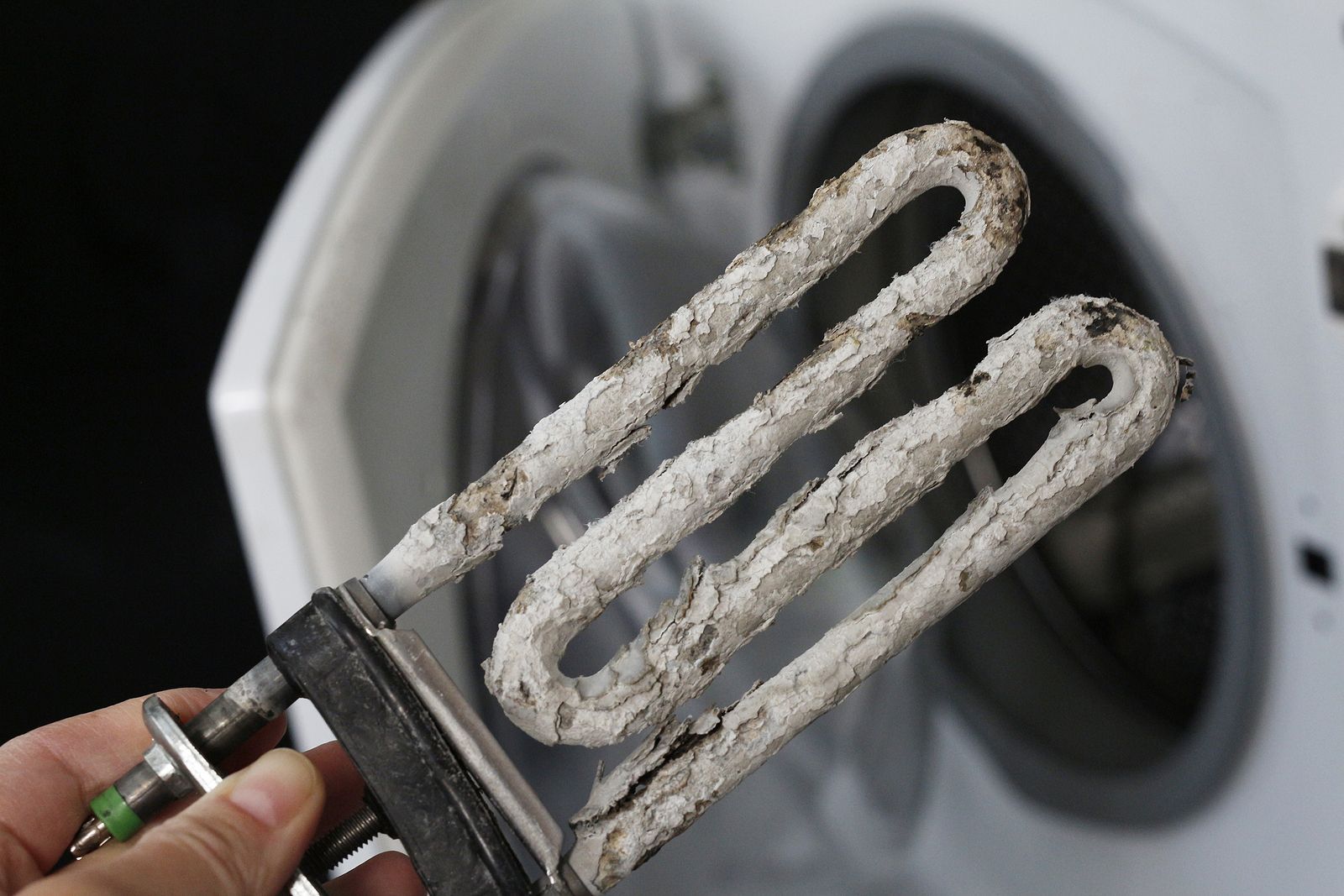
I hear this all the time from homeowners: “My water heater just went bad.” Most people think it’s just age. Or maybe a bad unit. But after doing this for years, I can tell you that’s usually not the real reason. In a lot of homes, especially here in Florida, water heaters don’t just fail… they get worn out early by water quality. At Pure Path Water Systems, we see it every day. Systems that should last 10–12 years are failing in 5–7. Sometimes even sooner. So let’s walk through what’s actually happening inside your water heater—and why your water quality plays a bigger role than you might think. Hard Water Is the #1 Reason Water Heaters Fail If you’re on city or well water in Florida, chances are you’re dealing with hard water. That means your water has minerals like calcium and magnesium in it. Now here’s where the problem starts. When water is heated, those minerals separate and turn into solid deposits. That’s called scale. And your water heater is the perfect place for it. Over time, scale builds up inside the tank or on heating elements. It settles at the bottom. It coats everything. At first, you don’t notice it. But inside, your system is starting to struggle. Scale Turns Your Water Heater Against Itself As scale builds up, it creates a barrier between the heating element and the water. So what happens? Your water heater has to work harder to heat the same amount of water. That leads to h igher energy usage, l onger heating times and o verheating of components. Eventually, the system starts breaking down. Heating elements burn out. Tank bottoms overheat. Efficiency drops fast. This is one of the biggest reasons homeowners see rising energy bills without realizing their water heater is the cause. Sediment Buildup Leads to Tank Failure. In addition to hard water minerals, sediment also plays a role. Small particles like sand, silt, or debris make their way into your system over time. They settle in the bottom of the tank along with scale. This layer of buildup traps heat. That trapped heat causes the metal in the tank to expand and contract more than it should. Over time, this weakens the tank. Eventually, it leads to c racks, l eaks, and f ull tank failure. And when a tank fails, it’s not a small repair—it’s a full replacement. Tankless Water Heaters Aren’t Immune. A lot of homeowners think switching to tankless solves the problem. It doesn’t—at least not without proper water treatment. Tankless systems actually have smaller internal passages. That means scale builds up faster inside heat exchangers. When that happens, you’ll start to see r educed flow, i nconsistent hot water, e rror codes and s ystem shutdowns. Without a water softener or proper water filtration system, tankless units can fail even faster than traditional tanks. Corrosion Is the Silent Killer Another major reason water heaters fail is corrosion. Inside every tank water heater is something called an anode rod. Its job is to attract corrosive elements in the water and sacrifice itself to protect the tank. But over time, that rod wears out. When it’s gone, the tank becomes the next target. If your water has h igh mineral content, c hlorine o r other corrosive elements, t hat process speeds up. Eventually, the inside of the tank starts to rust. And once that happens, failure is only a matter of time. Chlorine Is Harder on Your System Than You Think Most city water here on the Treasure Coast contains chlorine. It’s necessary to keep water safe during distribution. But inside your home, it’s not doing your equipment any favors. Chlorine breaks down materials over time. It affects Rubber seals, g askets and i nternal components. And it contributes to corrosion inside your water heater. A carbon filtration system can reduce chlorine and help protect your plumbing and appliances long-term. Pressure and Expansion Add Stress Water heaters also deal with pressure changes. As water heats, it expands. Without proper system design or maintenance, that expansion can stress the tank. Combine that with scale buildup and corrosion, and the tank is under constant strain. This is when you start seeing l eaks at fittings, s trange noises and i nconsistent performance. All signs that the system is working harder than it should. Why Most Water Heaters Fail Early When you put it all together, it’s rarely just one issue. It’s a combination of: Hard water scale Sediment buildup Corrosion Chlorine exposure Lack of maintenance That’s what shortens the life of your system. Most water heaters are designed to last over a decade. But without proper water filtration and water softening, many fail years early. The Cost of Ignoring Water Quality When a water heater fails, most people just replace it and move on. But if the water quality isn’t addressed, the new one is heading down the same path. That’s where the real cost comes in. You’re not just paying for a new heater. You’re paying for h igher energy bills, r epeat replacements and p lumbing wear and tear. It adds up fast. The Pure Path to Protecting Your Water Heater At Pure Path Water Systems, we look at things differently. We don’t just look at the appliance—we look at the water feeding it. Because that’s where the problem starts. Depending on your water, the right solution might include: A whole-home water softener to remove hardness minerals A carbon filtration system to reduce chlorine A whole-house water filtration system to protect against sediment Or a combination of systems working together Every home is different. That’s why we start with testing and build the right solution from there. Final Thought: It’s Not Just the Heater—It’s the Water If your water heater failed early, there’s a good chance it wasn’t just bad luck. It was your water. The good news is—you can fix that. When you improve your water quality, you don’t just protect your water heater. You protect your entire home. Your plumbing. Your appliances. Your energy costs And you stop the cycle of replacing things sooner than you should. Start With Your Water If you’re dealing with water heater issues—or want to prevent them—the first step is simple. Test your water. Because once you understand what’s in it, you can put your home on the right path. The Pure Path.